Orthodontics · 2 min read
When should you see an orthodontist?
Signs that an orthodontic check-up might be worthwhile — for children, teenagers and adults.
Supriya Multispeciality Dental Clinic, Published
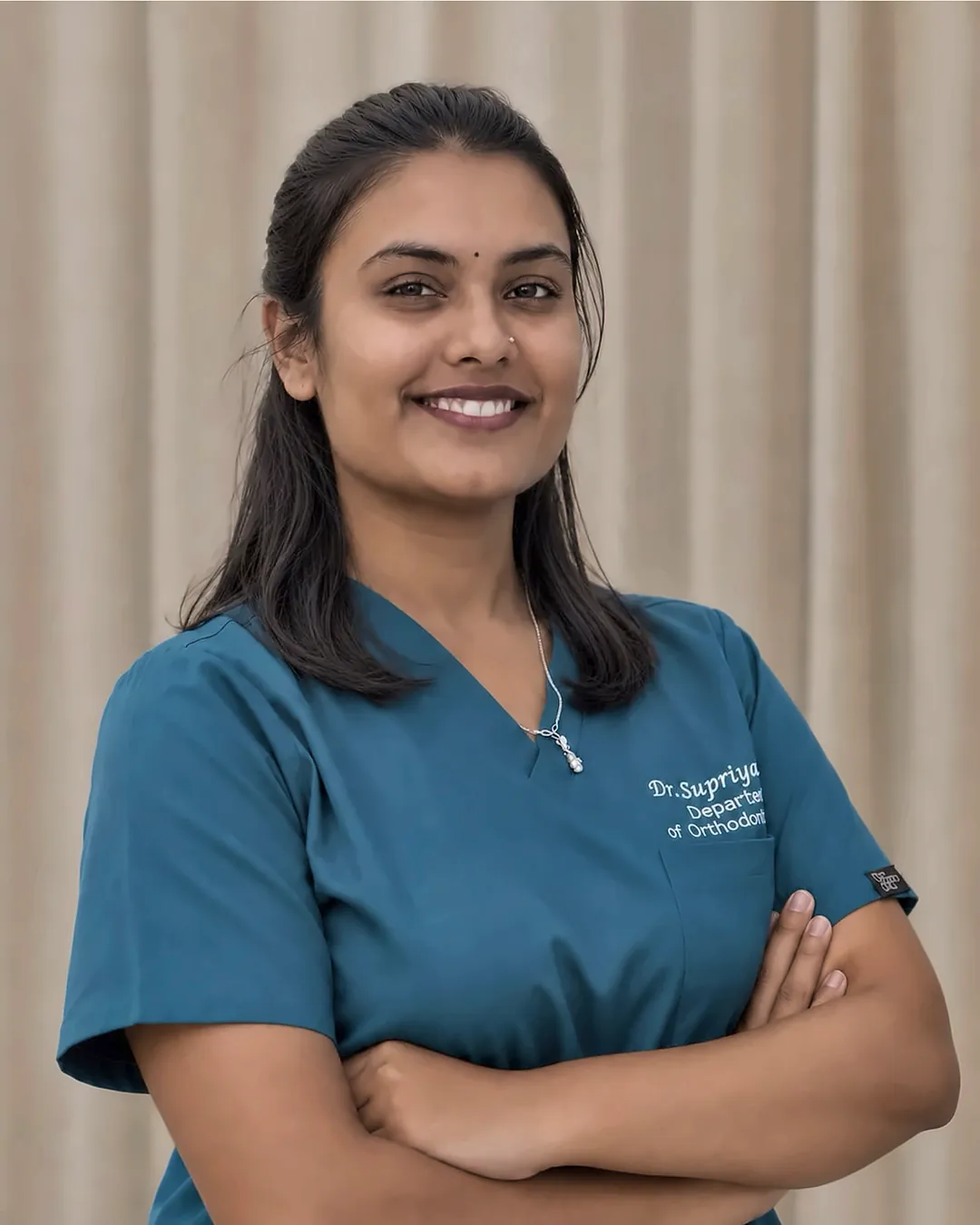
An orthodontist is a dentist who has completed further specialist training in diagnosing and correcting the position of teeth and jaws. You don’t need to wait for a referral or for a problem to become obvious — an orthodontic check-up can be useful at many ages.
For children
Many orthodontic organisations suggest a first orthodontic check-up around the age of seven. Most children won’t need treatment that early, but a check-up helps identify how the teeth and jaws are developing, so any concerns can be monitored and treatment, if needed, can be timed well.
- Early or late loss of baby teeth
- Crowded, overlapping or widely spaced teeth
- Upper teeth that stick out noticeably
- Difficulty biting or chewing
- Thumb-sucking or other habits continuing beyond early childhood
- Mouth breathing
For teenagers
The teenage years are a common time for orthodontic treatment, as most permanent teeth have come through and the jaws are still growing. Crowding, gaps and bite problems are often easiest to address during this time.
For adults
It’s never too late to ask. Adults seek orthodontic treatment for many reasons: teeth that have shifted over time, crowding that makes cleaning difficult, a bite that feels uncomfortable, or simply wanting to feel more confident about their smile. As long as the teeth and gums are healthy, orthodontic treatment is often possible.
This article is general information and isn’t a substitute for advice from a dentist who has examined you. Treatment suitability is determined after an in-person dental consultation.